Introduction
Vitamin D is an essential nutrient that supports several important functions in the body. It helps maintain healthy bones and teeth, supports normal muscle function, and plays a role in calcium and phosphorus absorption. However, vitamin D deficiency is common, particularly among people who spend most of their time indoors, have limited sunlight exposure, or do not consume enough vitamin D through their diet.
Low vitamin D levels may be associated with symptoms such as fatigue, muscle weakness and bone or muscle discomfort. Because these symptoms can also occur with many other conditions, appropriate medical evaluation and testing may be necessary to identify the underlying cause.
Including vitamin D-rich foods in a balanced diet can help support adequate vitamin D intake. In this guide, we will explore the 10 best vitamin D foods, common vitamin D deficiency symptoms, causes of deficiency, vegetarian sources, when a vitamin D test may be appropriate, and practical ways to support healthy vitamin D levels.
What Is Vitamin D?
Vitamin D is a fat-soluble vitamin that helps the body absorb calcium and phosphorus. These minerals are important for maintaining healthy bones and teeth. Vitamin D also contributes to normal muscle function and immune system function.
Unlike many other vitamins, the body can produce vitamin D when the skin is exposed to sunlight. Vitamin D can also be obtained from certain foods and fortified products. However, the amount produced through sunlight can vary depending on factors such as skin pigmentation, age, season, geographic location, clothing and time spent outdoors.
Why Is Vitamin D Important?
Adequate vitamin D is important for several functions of the body. Its key roles include:
-
Supporting healthy bones and teeth
-
Helping the body absorb calcium and phosphorus
-
Supporting normal muscle function
-
Contributing to normal immune function
-
Supporting overall nutritional health
When vitamin D levels are too low, the body may have difficulty maintaining normal calcium metabolism and bone health. Prolonged deficiency can contribute to problems such as weakened bones and an increased risk of bone-related complications.
What Causes Vitamin D Deficiency?
Vitamin D deficiency can develop for several reasons. Common risk factors include:
-
Limited exposure to sunlight
-
Spending most of the day indoors
-
Low dietary intake of vitamin D
-
Older age
-
Obesity
-
Certain digestive conditions that affect nutrient absorption
-
Certain kidney or liver conditions
-
Darker skin pigmentation
-
Certain medications
People who spend little time outdoors, older adults and individuals with certain medical or nutritional risk factors may be more likely to have inadequate vitamin D levels.
Vitamin D Deficiency Symptoms
Vitamin D deficiency may not always cause obvious symptoms, and symptoms can vary between individuals. Some possible signs associated with low vitamin D levels include:
1. Fatigue
Persistent tiredness or low energy can occur in people with vitamin D deficiency, although fatigue can have many other possible causes.
2. Bone Pain
Low vitamin D levels can affect calcium metabolism and bone health. Some people with deficiency may experience bone discomfort or pain.
3. Muscle Weakness
Vitamin D contributes to normal muscle function. Low levels may be associated with muscle weakness or difficulty performing certain physical activities.
4. Frequent Illness
Vitamin D contributes to normal immune function. However, frequent infections can have many causes and should not automatically be attributed to vitamin D deficiency.
5. Hair Loss
Some research has explored a possible association between low vitamin D levels and certain types of hair loss. However, hair loss has many potential causes and requires appropriate evaluation.
6. Mood Changes
Low vitamin D levels have been studied in relation to mood and mental well-being. However, mood changes can have many causes and should be discussed with a healthcare professional when persistent.
7. Slow Wound Healing
Vitamin D is involved in several biological processes related to immune and tissue function. If a wound is healing unusually slowly, it is important to consider other possible causes as well.
8. Muscle or Joint Discomfort
Some people with inadequate vitamin D levels may experience muscle or general musculoskeletal discomfort. Persistent pain should be medically evaluated.
9. Weak Bones
Long-term vitamin D deficiency can interfere with normal bone mineralization and may contribute to weakened bones.
10. Increased Risk of Bone Problems
Severe or prolonged vitamin D deficiency can affect bone health and may increase the risk of conditions such as osteomalacia in adults.
If you experience persistent symptoms or have risk factors for vitamin D deficiency, speak with a healthcare professional about whether vitamin D testing may be appropriate.
10 Best Vitamin D Foods
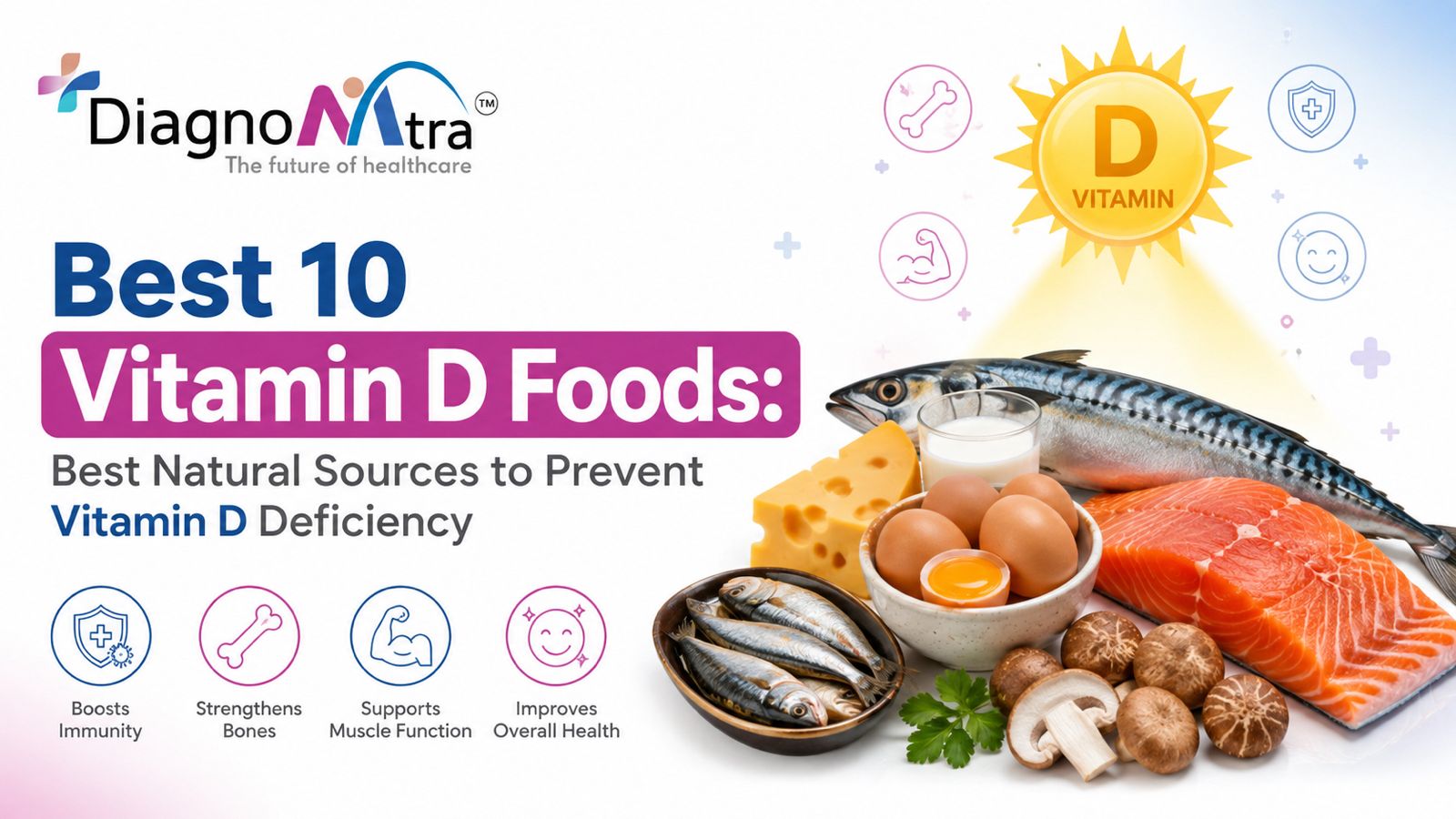
Only a limited number of foods naturally contain significant amounts of vitamin D. Some foods are also fortified with vitamin D to help improve dietary intake. Here are 10 vitamin D foods that can be included in a balanced diet.
1. Salmon
Salmon is one of the better natural food sources of vitamin D. The exact amount can vary depending on the type of salmon and serving size.
Benefits:
-
Provides vitamin D
-
Provides high-quality protein
-
Contains beneficial unsaturated fats
-
Can contribute to a balanced diet
2. Cod Liver Oil
Cod liver oil is a concentrated dietary source of vitamin D and is also known for containing vitamin A. Because it is concentrated, it should be consumed according to appropriate dietary guidance.
Benefits:
-
Provides vitamin D
-
Contains vitamin A
-
Provides omega-3 fatty acids
3. Egg Yolks
Egg yolks contain vitamin D, although the amount can vary. Eggs are an easy food to include in many meals and can contribute to overall nutrient intake.
Benefits:
-
Provides protein along with other nutrients
-
Contains vitamin D in the yolk
-
Easy to include in a balanced diet
4. Fortified Milk
Some milk products are fortified with vitamin D. Fortification levels vary by product and brand, so checking the nutrition label can help you determine how much vitamin D a particular product provides.
Benefits:
-
Can provide vitamin D through fortification
-
Usually provides calcium
-
Can be included in everyday meals and beverages
5. Fortified Yogurt
Some yogurt products are fortified with vitamin D. Yogurt can also provide protein and calcium, depending on the product.
Benefits:
-
May provide vitamin D through fortification
-
Can provide calcium and protein
-
Can be included as part of a balanced diet
6. Tuna
Tuna can provide vitamin D along with protein and other nutrients. Vitamin D content varies according to the type of tuna and serving size.
Benefits:
-
Provides protein
-
Can contribute to vitamin D intake
-
Can be included in a variety of meals
7. Sardines
Sardines are a nutrient-rich fish that can provide vitamin D as well as other nutrients. They are also a source of calcium when consumed with their edible bones.
Benefits:
-
Provides vitamin D
-
Can provide calcium
-
Provides protein and other nutrients
8. UV-Exposed Mushrooms
Certain mushrooms exposed to ultraviolet (UV) light can produce vitamin D2. This makes appropriately treated mushrooms a useful plant-based source of vitamin D.
Benefits:
-
Plant-based source of vitamin D
-
Can be included in vegetarian and vegan diets
-
Provides additional nutrients as part of a balanced diet
9. Cheese
Some cheeses contain small amounts of vitamin D, while fortified products may provide more. Cheese can also provide calcium and protein, but portion sizes should be considered as part of a balanced diet.
Benefits:
-
Can provide small amounts of vitamin D
-
Provides calcium
-
Can provide protein
10. Fortified Cereals
Some breakfast cereals are fortified with vitamin D. The amount varies by product, so consumers should check the nutrition label when choosing fortified cereals.
Benefits:
-
Can provide vitamin D through fortification
-
Convenient breakfast option
-
May provide additional vitamins and minerals
Vitamin D Foods: Quick Comparison
| Food | Vitamin D Source | Diet Type |
|---|---|---|
| Salmon | Naturally occurring vitamin D | Non-vegetarian |
| Cod liver oil | Naturally occurring vitamin D | Non-vegetarian |
| Egg yolks | Naturally occurring vitamin D | Ovo-vegetarian |
| Fortified milk | Added vitamin D | Vegetarian |
| Fortified yogurt | Added vitamin D | Vegetarian |
| Tuna | Naturally occurring vitamin D | Non-vegetarian |
| Sardines | Naturally occurring vitamin D | Non-vegetarian |
| UV-exposed mushrooms | Vitamin D2 | Vegetarian/Vegan |
| Cheese | Small amounts or fortified varieties | Vegetarian |
| Fortified cereals | Added vitamin D | Varies by product |
Vitamin D Foods for Vegetarians
Getting vitamin D through food can be more challenging for people who follow vegetarian or vegan diets because relatively few foods naturally contain significant amounts of vitamin D.
Vegetarians may consider foods such as fortified milk, fortified yogurt, fortified cereals and UV-exposed mushrooms. People who consume eggs can also obtain some vitamin D from egg yolks.
Because vitamin D fortification varies between products, always check the nutrition label to understand how much vitamin D a food provides.
When Should You Get a Vitamin D Test?
A vitamin D blood test can help assess vitamin D status when testing is considered appropriate by a healthcare professional. Testing may be particularly relevant for people with certain symptoms or risk factors for deficiency.
You may wish to discuss vitamin D testing with a healthcare professional if you:
-
Have persistent fatigue or muscle weakness
-
Experience unexplained bone or muscle discomfort
-
Have limited exposure to sunlight
-
Have risk factors for vitamin D deficiency
-
Have a condition that may affect nutrient absorption
-
Have certain kidney or liver conditions
-
Have concerns about bone health
-
Are taking medications that may affect vitamin D metabolism
A healthcare professional can determine whether testing is appropriate based on your symptoms, medical history and individual risk factors.
Why Should You Monitor Your Vitamin D Levels?
Vitamin D deficiency can sometimes occur without obvious symptoms. In addition, symptoms such as fatigue or muscle discomfort can have many different causes.
Appropriate testing and medical evaluation can help determine whether vitamin D levels are within the expected range and whether further action is needed.
Monitoring may be useful for people who have known risk factors, previously identified low vitamin D levels, or conditions that affect vitamin D metabolism or absorption.
Can Food Alone Correct Vitamin D Deficiency?
Vitamin D-rich foods can contribute to maintaining adequate vitamin D intake, but food alone may not be sufficient for everyone with a confirmed deficiency.
Depending on the severity and underlying cause, a healthcare professional may recommend dietary changes, appropriate sunlight exposure, vitamin D supplements or follow-up testing.
Do not take high-dose vitamin D supplements without appropriate medical advice. Excessive vitamin D intake can cause harmful effects, so supplementation should be based on individual needs and professional guidance.
How to Prevent Vitamin D Deficiency
Get Regular Outdoor Activity
Regular outdoor activity can provide opportunities for sunlight exposure and physical activity. However, the amount of sunlight required for vitamin D production varies between individuals. Avoid excessive UV exposure and follow appropriate sun-safety practices.
Eat Vitamin D-Rich Foods
Include foods such as salmon, sardines, egg yolks, fortified dairy products, fortified cereals and UV-exposed mushrooms according to your dietary preferences.
Maintain a Balanced Diet
A balanced diet containing adequate protein, calcium and other essential nutrients supports overall bone and muscle health.
Stay Physically Active
Regular physical activity, particularly weight-bearing and muscle-strengthening activities where appropriate, can support bone and muscle health.
Consider Testing When Appropriate
If you have symptoms or risk factors for vitamin D deficiency, speak with a healthcare professional about whether a vitamin D test or other blood tests may be appropriate.
Vitamin D and Sunlight Exposure
Sunlight is an important natural source of vitamin D because the skin can produce vitamin D when exposed to ultraviolet B (UVB) radiation.
However, vitamin D production from sunlight varies significantly depending on skin tone, age, season, geographic location, time of day, clothing, sunscreen use and other factors. Therefore, there is no single amount of sunlight exposure that works for everyone.
Avoid prolonged or intentional UV exposure for the purpose of increasing vitamin D because excessive UV exposure can damage the skin and increase skin cancer risk.
What Does Diagnomitra Healthcare Do?
Diagnomitra Healthcare is a digital healthcare platform that helps users search, compare and book diagnostic services. Depending on location and availability, users can explore a range of laboratory tests and preventive healthcare services.
Through Diagnomitra, users can explore services such as:
-
Vitamin D tests
-
Routine blood tests
-
Full-body health checkups
-
Home sample collection services
-
Preventive health packages
-
Other diagnostic testing services
If you are considering a vitamin D test, Diagnomitra can help you search and compare available diagnostic options and book a suitable test where available.
Frequently Asked Questions About Vitamin D Foods
Which foods are highest in vitamin D?
Some of the better dietary sources of vitamin D include fatty fish such as salmon and sardines, cod liver oil, egg yolks and foods fortified with vitamin D. The exact amount varies by food, serving size and, for fortified products, the amount added by the manufacturer.
What are the best vitamin D foods for vegetarians?
Vegetarians can consider vitamin D-fortified milk, yogurt and cereals, along with UV-exposed mushrooms. People who include eggs in their diet can also obtain some vitamin D from egg yolks.
Can vitamin D deficiency cause tiredness?
Fatigue can occur in people with vitamin D deficiency, but tiredness has many possible causes. If fatigue is persistent or unexplained, it is important to speak with a healthcare professional rather than assuming vitamin D deficiency is the cause.
Do mushrooms contain vitamin D?
Some mushrooms exposed to UV light can contain vitamin D2. The amount can vary depending on the type of mushroom and how it has been treated.
When should I get a vitamin D test?
A vitamin D test may be considered when someone has symptoms or risk factors associated with vitamin D deficiency. A healthcare professional can advise whether testing is appropriate based on individual circumstances.
Can food alone correct vitamin D deficiency?
Vitamin D-rich foods can support dietary intake, but confirmed deficiency may require additional measures depending on its severity and underlying cause. A healthcare professional can recommend appropriate treatment and follow-up.
Conclusion
Vitamin D plays an important role in maintaining healthy bones, supporting normal muscle function and helping the body manage calcium and phosphorus. Including vitamin D-rich foods such as salmon, sardines, egg yolks, fortified dairy products, fortified cereals and UV-exposed mushrooms can help support dietary vitamin D intake.
However, diet is only one part of maintaining healthy vitamin D levels. Sunlight exposure, individual risk factors, overall nutrition and medical conditions can all influence vitamin D status. Symptoms such as persistent fatigue, muscle weakness or bone discomfort can have many causes and should not automatically be attributed to vitamin D deficiency.
If you are concerned about low vitamin D levels or have risk factors for deficiency, speak with a healthcare professional about whether a vitamin D blood test is appropriate. Diagnomitra helps users search, compare and book diagnostic tests and preventive healthcare services, making routine health monitoring more convenient.
Search, Compare, Book & Save with Diagnomitra.
Medical Disclaimer
This article is intended for general informational and educational purposes only and should not be considered medical advice, diagnosis or treatment. Vitamin D requirements and treatment options can vary between individuals. If you have symptoms, medical conditions or concerns about vitamin D deficiency, consult a qualified healthcare professional.